

How to Pick a Sunscreen That Works: A Guide for Malaysian Skin Tones
Wearing sunscreen every day in Malaysia is not optional; UV index levels remain high year-round, and cumulative sun exposure is one of the leading causes of premature skin ageing and uneven tone in tropical climates. The challenge is not knowing what sunscreen Malaysia's conditions demand; it is finding the right one. The wrong formula (too heavy for humid weather, too white-casting for Malaysian skin tones, or too uncomfortable to reapply) means most people either stop after the first application or abandon the habit altogether.
This guide covers everything you need to make a confident choice: how to read SPF and PA ratings, how to match a face sunscreen to your skin type, how to navigate the mineral versus chemical filter debate, and where to find premium SPF 50 face sunscreen options worth investing in.
Understanding SPF and PA Ratings
What Does SPF Actually Mean?
Sun protection factor (SPF) measures how much UVB radiation a formula filters before it reaches the skin. The number indicates how much longer the skin can remain in the sun without burning compared to unprotected exposure. For everyday use in Malaysia, SPF 50 is the practical daily benchmark: Malaysia's proximity to the equator means UV intensity is consistently high, and SPF 30, while adequate in temperate climates, provides a narrower margin in sustained tropical conditions.
“What SPF do I need in Malaysia?”
For daily face use, SPF 50 face sunscreen is the standard worth starting from. For extended outdoor exposure, SPF 50+ with water resistance adds a further buffer. That said, the number alone is only part of the picture. A broad spectrum sunscreen covers both UVA and UVB rays; sun protection factor alone only measures UVB protection. UVA UVB protection together is what shields the skin from both burning (UVB) and the deeper, longer-wave damage that contributes to dark spots and premature ageing (UVA). Always check for broad spectrum labelling alongside the SPF rating.
SPF 50 sunscreen Malaysia shoppers reach for most frequently sits in the lightweight fluid and gel-cream category; formulas engineered to absorb quickly without the heavy feel that makes some options difficult to wear daily in humidity.
What Does PA++++ Mean in Sunscreen?
The PA rating system is a Japanese grading framework for UVA protection, distinct from the SPF system, which measures UVB only. PA stands for Protection Grade of UVA, and the plus signs indicate the level of UVA defence a formula provides. PA+ offers some protection; PA++ moderate; PA+++ high; and PA++++ — the highest grade in the system — indicates very high UVA protection.
What does PA++++ mean in sunscreen in practical terms? It means the formula has been tested and confirmed to provide the highest level of UVA defence the PA grading system recognises. For Malaysian skin, where sun-triggered pigmentation and premature ageing are consistent concerns, high UVA protection is as important as a strong SPF number. The two work in tandem: SPF addresses UVB, PA addresses UVA — and you want both covered.
Not all sunscreens carry PA ratings. Western brands typically use different labelling (broad spectrum certification, a UVA circle logo, or critical wavelength testing) to communicate UVA UVB protection rather than the PA system. The absence of a PA rating does not mean a formula offers inadequate UVA coverage. When assessing any SPF, look for broad spectrum labelling or a confirmed UVA protection claim alongside the SPF number.
The Sunscreen Filter Debate: Mineral vs Chemical
How Physical Sunscreen Filters Work
Physical UV filters (most commonly zinc oxide and titanium dioxide) work by sitting on the surface of the skin and deflecting UV rays rather than absorbing and neutralising them chemically. Because physical filters sit at the skin's surface rather than within it, this category is generally considered the gentler option for sensitive or reactive skin types.
Physical SPF formulas are also a reasonable choice for sunscreen for oily skin in some contexts; they tend to avoid the esters and heavy emollients common in chemical SPF that can sit heavily on congested skin.
That said, formula texture matters as much as filter type: a physical formula in a heavy cream base may not perform better for oily skin than a well-formulated chemical SPF in a lightweight gel.
Mineral Sunscreen and White Cast

The most common hesitation around physical SPF for Malaysian skin tones is white cast (the chalky or ashy residue that traditional formulas leave on medium to deeper complexions). A “no white cast sunscreen” is not a cosmetic luxury but a practical necessity: a finish that visibly alters your skin tone is one you are less likely to wear consistently, which undermines the protection entirely.
Modern formulations have made real progress here. Micronised particles, tinted options, and advanced blending technologies mean mineral sunscreen no white cast results are now achievable on most Malaysian skin tones. For those who want a mineral sunscreen no white cast outcome without compromise, look for terms like 'micronised', 'tinted', or 'invisible finish'. The formula's particle size and pigment load matter as much as the filter type.
The Malin+Goetz SPF30 Mineral Sunscreen uses MicroSperse® cold-processed technology, which allows physical UV filters to disperse into a lightweight gel-cream that absorbs quickly and blends without chalky residue. It is the no white cast sunscreen option in the KENS physical SPF edit: broad spectrum, reef-safe, and suited to all skin types.
How to Choose Sunscreen for Your Skin Type
Knowing how to choose sunscreen for your skin type is the difference between a formula you apply once and abandon, and one that becomes a genuine daily habit. Texture, finish, and base formulation all affect how an SPF wears across the day, particularly in Malaysia's humidity.
Best Sunscreen for Oily Skin

For oily and combination skin types, sunscreen for oily skin selection comes down to texture above everything else. Malaysia's humidity means that even a moderately rich formula can feel suffocating by midday, and an SPF that breaks down into a greasy film discourages reapplication (which is when real protection gaps develop). The best sunscreen for oily skin in a tropical climate is typically a lightweight sunscreen for humid weather: gel, fluid, aqua-gel, or essence textures that absorb quickly, leave a matte or satin finish, and do not block pores.
Avoid SPF formulas with heavy silicone bases, thick emollients, or occlusive ingredients that sit on the surface without absorbing. Non-comedogenic labelling is worth prioritising, as is a formula tested for sebum-control or longevity in humid conditions.
The Caudalie Very High Protection Lightweight Cream SPF50+ is a broad-spectrum, water-resistant SPF 50+ face sunscreen with a lightweight cream texture that absorbs quickly. Its oil-free formula makes it suitable for sunscreen for oily skin, offering very high protection without a greasy finish, ensuring clean wear both alone and under makeup.
Face Sunscreen for Dry and Normal Skin

Dry and normal skin types have more flexibility in formula choice, but the right SPF for these skin types still balances sun protection factor coverage with comfortable skin-feel and hydration. A formula that leaves the skin feeling tight, stripped, or excessively mattified is uncomfortable to wear daily, particularly on complexions that already tend towards dryness.
Look for formulas that include humectants such as hyaluronic acid or glycerin to maintain moisture under the SPF layer. Cream and lotion textures generally suit drier skin better than gel or aqua-gel formats, and a satin or dewy finish will wear more comfortably on drier complexions throughout the day.
The Augustinus Bader The Sunscreen SPF50 is a broad-spectrum SPF 50 face sunscreen powered by TFC8®; the proprietary Trigger Factor Complex that supports the skin's natural renewal process while protecting against UVA and UVB. Lightweight despite its restorative ingredient profile, it suits all skin types and works particularly well as a final routine step for those who want strong SPF performance alongside active skincare benefits.
Sunscreen for Sensitive Skin

Sensitive skin benefits most from physical UV filter formulas; they are less likely to trigger the stinging, flushing, or breakout responses that some chemical UV filters cause in reactive skin. Fragrance-free formulas reduce the risk of contact irritation further, and avoiding alcohol-heavy bases keeps the skin barrier intact.
For those with sensitive skin and medium to deeper Malaysian skin tones, the no white cast sunscreen concern is particularly relevant; a tinted or micronised physical formula addresses both the irritation risk and the finish issue simultaneously. Chemical SPF options may feel more elegant, but for reactive complexions, physical UV filters remain the more reliable starting point.
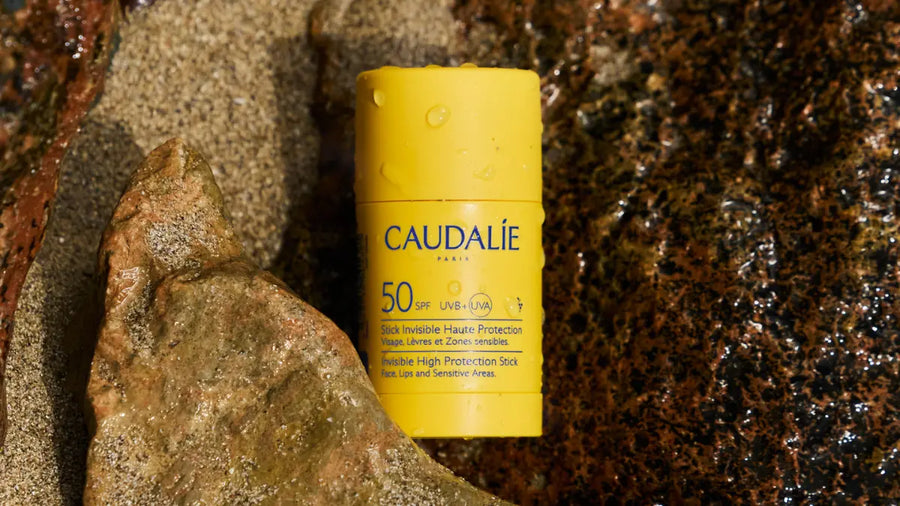
The Caudalie Invisible High Protection Stick SPF50 is a fragrance-free SPF 50 stick formulated with organic grapeseed and buriti oil. Its invisible finish makes it a practical choice for sensitive zones (around the eyes, over moles, on scars or lips), and it applies directly over makeup for midday reapplication without disturbing the skin.
The Ultimate Invisible Shield: 111SKIN Repair Sunscreen SPF50+

If you dread the heavy, chalky feeling of traditional SPFs, the 111SKIN Repair Sunscreen SPF50+ will completely change your daily routine. This ultra-lightweight fluid absorbs instantly into the skin, leaving behind an invisible, sheer finish on your skin. It is incredibly comfortable for daily wear in Malaysia's humid climate, layering flawlessly over your moisturiser and acting as a smooth base under makeup without pilling.
Beyond its exceptional texture, it ensures your skin stays hydrated and balanced. The inclusion of Panthenol and Niacinamide means it actively regulates sebum while preventing trans-epidermal water loss, giving you a healthy, weightless finish that doesn't compromise on high-performance protection.
When and How Often to Reapply
When it comes to SPF, the golden rule is to reapply every two hours during active outdoor sun exposure. This doesn't necessarily mean two hours from your morning skincare routine, but rather two cumulative hours spent in UV conditions. If your day consists of working indoors away from windows, your morning layer has you covered. But the moment you add extended outdoor time, a sunny commute, or heavy sweating into the mix, two-hourly top-ups become non-negotiable.
Navigating the sunscreen Malaysia market means accounting for our local climate. Constant sweat and high humidity break down SPF filters rapidly, meaning you need to reapply immediately after swimming or an outdoor workout. Of course, the thought of rubbing liquid sunscreen over a full face of makeup is daunting. That is exactly why solid sunscreen sticks have revolutionised midday touch-ups, offering a targeted, mess-free way to maintain your coverage.
The Caudalie Invisible High Protection Stick SPF50 is arguably one of the most elegant solutions for this exact problem. Designed for absolute convenience, this fragrance-free, water-resistant stick swipes completely invisibly over makeup without smudging or pilling. Because it's formulated with nourishing, cold-pressed grape-seed oil, it never feels drying or chalky. It’s an effortless, pocket-friendly way to ensure your face, lips, and even dark spots stay protected from the sun without ever having to touch your face with your hands.
Shop Luxury Sunscreen at KENS Apothecary Malaysia
For those seeking premium sunscreen Malaysia options that combine genuine broad-spectrum protection with the texture and formulation quality that make daily wear sustainable, KENS Apothecary carries a curated selection across skin types and concerns. Every formula in the KENS edit has been chosen for formulation rigour — luxury sunscreen Malaysia should do more than meet an SPF number; it should integrate naturally into a considered skincare routine.
What separates a premium face sunscreen from a basic SPF comes down to ingredient quality, texture engineering, and the degree to which a formula contributes beyond UV blocking, whether that is skin renewal, antioxidant defence, or a seamless finish for daily wear. For SPF 50 sunscreen Malaysia shoppers, the KENS edit offers formulas at the intersection of protection and skincare performance. This is what luxury sunscreen Malaysia looks like at its best: protection that earns its place in a serious routine.
Selected picks from the KENS sunscreen edit:
Explore the full KENS Apothecary sunscreen collection to find the formula that fits your skin type and routine.
The Right Sunscreen Is the One You Will Actually Wear
The most effective sunscreen Malaysia offers is the one that fits your skin type, your climate, and your routine well enough to become a daily non-negotiable. SPF number matters, but so does texture, finish, reapplication ease, and how a formula performs in humid conditions.
Whether you are drawn to a physical filter formula for its gentle profile, a serum-texture SPF for its clean wear, or the KENS luxury sunscreen Malaysia edit that doubles as serious skincare, the principle is the same: consistent daily use at the right SPF, followed by reapplication when it counts, is what delivers real protection over time.
Frequently Asked Questions
